

Använd minst 5:1 kättinglängd baserat på total höjd (vattendjup + rullhöjd + tidvatten) och backa fast ankaret med motorn.
Seglingsguider8 min lästid•
Den Kompletta Guiden till Ankarvakt: Kättinglängd och Svängradie
Lär dig beräkna rätt kättinglängd, bedöma bottenbeskaffenhet och säkra svängradien i naturhamnen.
Captain Barkin Takmaz
Grundare och Ledande Marinsystemingenjör
Havskappseglare, marinsystemforskare och skapare av AnchorQueen.
📬 LOGGBOKSNOTERINGAR
Prenumerera på kaptenens veckovisa nyhetsbrev
Få veckovisa sjöväderstrender, ankartips och navigeringsguider direkt till ditt roder.
⚓ UPPGRADERA DITT RODER
Segla tryggare med AnchorQueen på iOS & iPadOS
Högupplösta djupkartor, automatisk SOLAS V/28 loggbok, prediktiva ankalarm och Jules AI-co-kapten.
Hämta på App Store
⭐️⭐️⭐️⭐️⭐️Högst rankad marin navigering
Rekommenderad läsning
Utforska fler insikter om marin navigering, säkerhet och sjömanskap.
Seglingsguider
•12 min lästid
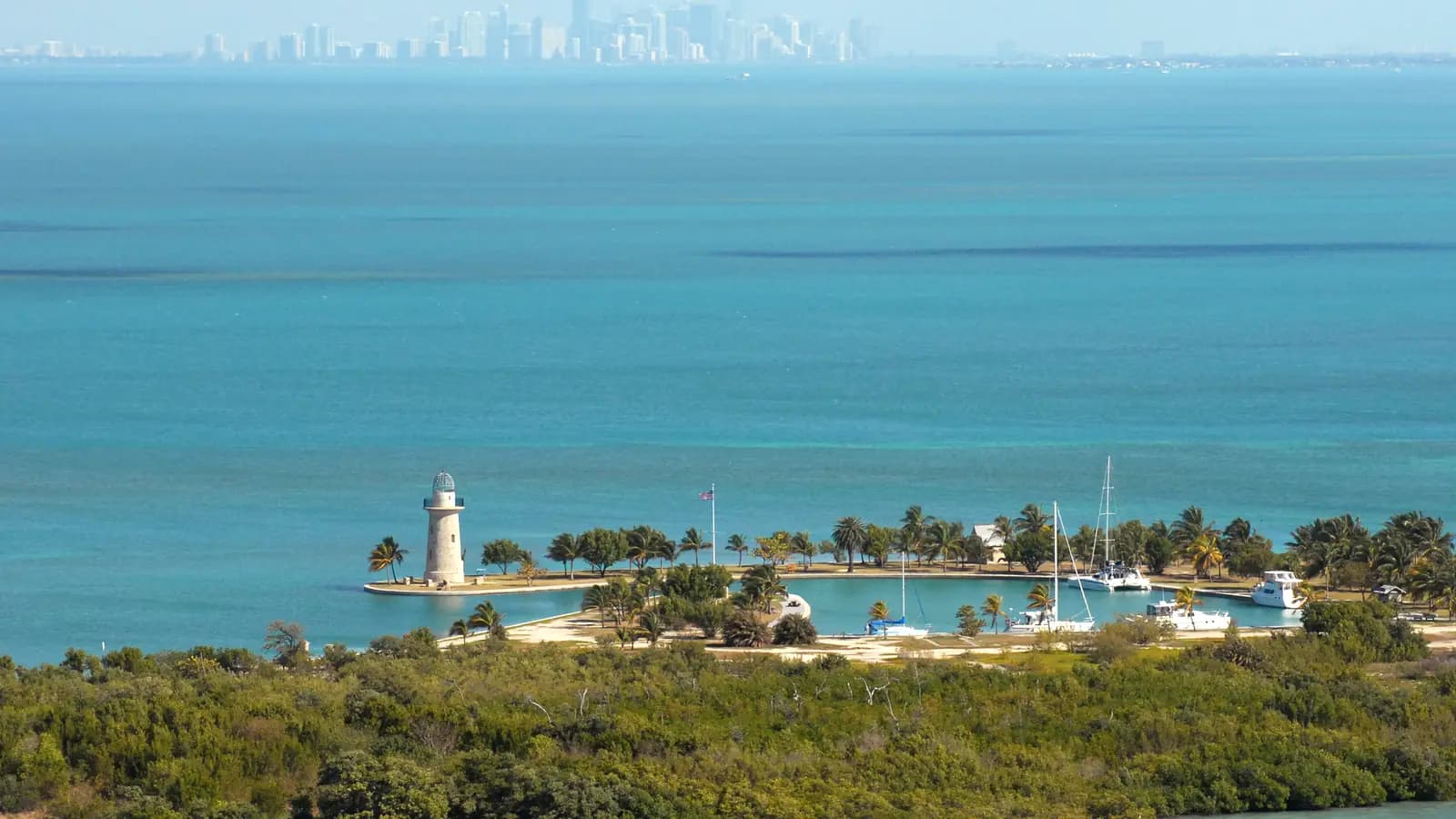
Sailing from Fort Lauderdale: A 7-Day Itinerary to Biscayne Bay and the Upper Keys
A practical week-long loop from Fort Lauderdale: Key Biscayne, Boca Chita and Elliott Key in Biscayne National Park, Card Sound and the Key Largo reefs, with daily legs, depths, anchorages and fees for each stop.
Seglingsguider
•12 min lästid
Sailing from Cannes: A 7-Day Itinerary to the Lérins Islands, the Esterel and Saint-Tropez
A practical week-long loop from Cannes: the Lérins Islands, Cap d’Antibes, the red Esterel coast, Saint-Tropez and Pampelonne, with daily legs, mooring zones, anchoring rules and tips for each stop.
Vattensport
•7 min lästid
Vattensport: spela in dina pass med vattenskoter, kite, jolle, kajak och simning
AnchorQueen 2.4.6 spelar in sjutton vattensporter med hopp, vågor, vändningar och tag per minut och ger personliga rekord, din egen utrustning i flottan, inspelning på Apple Watch, havsliv nära din spårning och 3D-uppspelning med Trackcam.